Introduction
Centrifuge tubes are indispensable laboratory consumables across the MENA region—in clinical diagnostics, biotech research, and pharmaceutical labs. Let’s trace their evolution from fragile glass beginnings to today’s precision-engineered plastic marvels.
1. The Early Era of Centrifuge Tubes
The centrifuge itself emerged in the late 19th century, ushering in the first centrifuge tubes—hand-blown and made of glass. Although chemically inert and transparent, these early tubes were costly and easily broken during high-speed runs.
2. The Rise of Plastic: Material Innovations
Glass Versus Plastic
Glass offered clarity but posed safety risks and high costs. The advent of plastics—particularly polypropylene (PP) in the 1950s—marked a turning point. PP offered chemical resistance and durability under intense centrifugal forces, transforming lab workflows.
Other plastics like polystyrene (PS), polyethylene (PE), polycarbonate (PC), and PET added clarity, flexibility, or affordability—each serving different lab needs.
3. Modern Varieties of Centrifuge Tubes
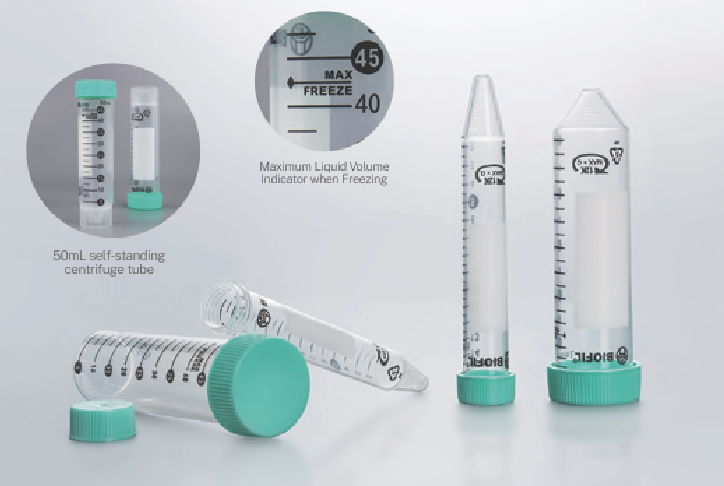
Today’s centrifuge tubes come in diverse shapes and materials, each crafted for specific uses:
- Conical Tubes: Most common, tapered for efficient pelleting.
- Round-Bottom Tubes: Ideal for gentle separation tasks, like enzyme assays.
- PCR Tubes: Engineered for thermal stability during high-temperature cycling.
- Microcentrifuge Tubes: Sized from ~0.5 mL to 2 mL—go-to for DNA/RNA work.
- High-Speed Tubes: Built to withstand speeds >10,000 RPM using durable materials like PP or polycarbonate.
4. Applications Across Industries
Centrifuge tubes are crucial in:
- Clinical Diagnostics: Separating serum, plasma, and other fluids.
- Molecular Biology: Purification of DNA, RNA, and proteins using chemically resilient PP tubes.
- Pharmaceutical Research: Compound separation and QC workflows.
- Automation & High-Throughput Labs: Compatible with automated systems and designed for efficiency and accuracy.
5. Emerging Trends—Sustainability & Smart Features
Current market trends include:
- Sustainable Materials: Growing demand for recyclable or biodegradable tubes.
- Smart Design Features: Barcodes, colored lids, ergonomic markings for traceability and ease of use.
- Automation-Ready Designs: Enhanced compatibility with robotics and high-throughput systems.
6. Choosing the Right Tube for MENA Labs
Material: Plastic (PP, PS, PC) for disposables; glass for reusable clarity.
Speed Rating: Ensure compatibility with your centrifuge‘s RPM.
Seal Type: Snap caps for convenience, screw caps for secure sealing.
Sterility: Critical for clinical and molecular labs to avoid contamination.
Sample Volume: Match tube size to workload—common sizes range from micro (0.5–2 mL) to macro (up to 50 mL).
Conclusion
From fragile glass to dependable plastics, the evolution of centrifuge tubes mirrors the advancements in global laboratory practices. Whether in diagnostics, research, or manufacturing, choosing the right tube—one that balances chemical resistance, durability, ergonomics, and sustainability—is key to accurate, efficient results.
Stay ahead with N H S Medical Supplies, offering premium, innovation-driven centrifuge solutions tailored to the MENA market. Let us power your precision research.
RELATED: Centrifuge Tubes